 PT
PT  EN
EN  ES
ES Remote work in LATAM can look simple:
- An employee asks to work from Mexico for two months.
- A contractor plans to stay in Colombia while serving foreign clients.
- A manager enters Brazil as a tourist but continues working for a company abroad.
These cases may look similar because they all involve working from another country, but each one can create different obligations depending on the person’s immigration and employment status, contract, income source, length of stay, and activities performed.
The question is not only whether the person can enter the country, but whether they are authorized to work from there and whether the arrangement meets the applicable immigration, tax, labor, and operational requirements. When these factors are not reviewed, remote work in LATAM can lead to the wrong visa category, tax exposure, labor compliance issues, onboarding delays, or gaps in duty of care.
These differences can directly affect corporate compliance, employee experience, and operational continuity.
Why Tourist Entry Is Not Always Enough
A tourist visa or visa-free entry may allow someone to enter a country, but it does not always authorize remote work while physically present there. Brazil’s Ministry of Foreign Affairs, for example, explains that its visitor visa may cover tourism or certain business activities, but VIVIS holders are not allowed to perform paid work in Brazil.
For HR, this distinction matters when an employee plans to stay for weeks or months while continuing to perform their regular responsibilities. If the employee works full-time, supports clients, manages teams, or uses the country as a temporary work base, the company may face immigration compliance concerns, assignment interruptions, documentation requests, or challenges with future mobility planning.
When a Digital Nomad Visa May Apply
Digital nomad visas have created clearer options for some foreign remote workers, but every program has its own conditions. Brasil, for example, offers a temporary visa and residence route for individuals working remotely for a foreign employer or foreign clients, without an employment relationship in Brazil. Costa Rica requires proof of a stable net monthly income of at least USD 3,000 for individuals or USD 5,000 for families, as well as medical insurance for the full stay.
Colombia’s Visitor Visa for digital nomads allows eligible foreign nationals to work remotely from Colombia through digital means for foreign companies, either independently or under an employment relationship.
These examples show why remote work in LATAM should be reviewed by country before travel. A digital nomad visa may provide an appropriate immigration route, but HR still needs to verify income, insurance, documentation, processing times, and restrictions on local work before approval.
Freelancers Are Not Always Remote Employees
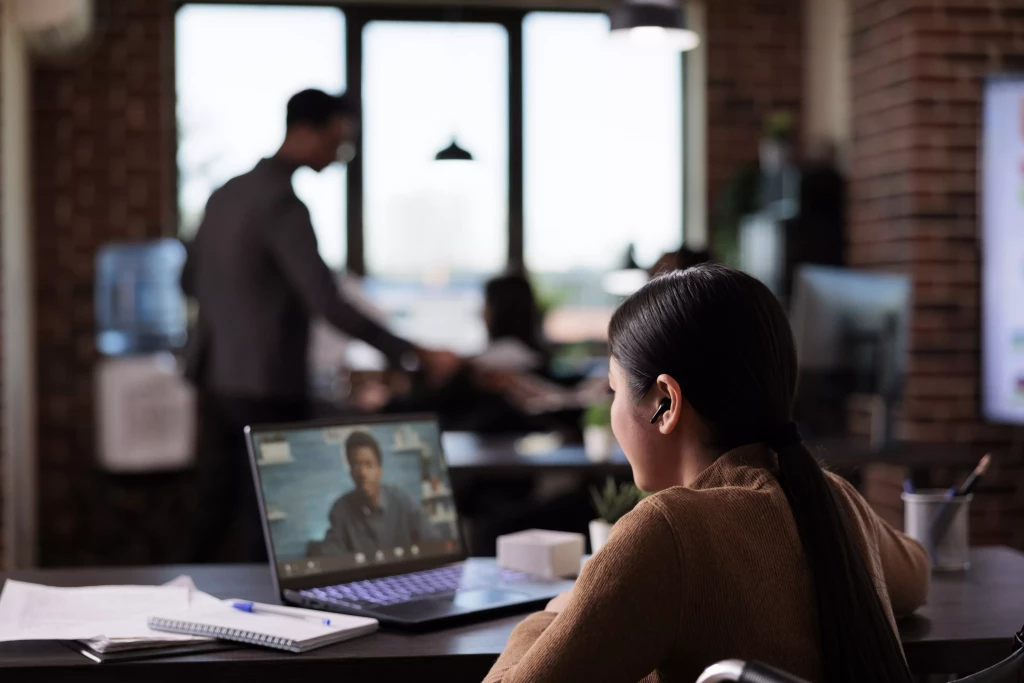
A freelancer, employee, consultant, and digital nomad may all work from a laptop, but their compliance profiles can be very different.
A freelancer serving only foreign clients may require one type of review. A contractor invoicing local clients or working with a local entity may create tax, immigration, or registration questions in the destination country. An employee on foreign payroll who works temporarily from LATAM may raise different concerns, including payroll, tax residency, benefits, social security, and duty of care.
For HR and Global Mobility, the job title is not enough. The contract, payment structure, client location, reporting line, length of stay, and country from which the work will be performed must be reviewed before the arrangement is approved.
Cross-Border Remote Work Can Create Company Exposure
Cross-border remote work can affect the employer, not only the individual. If an employee works from another country for an extended period, negotiates contracts, manages local client activity, or supports revenue-generating projects, the company may need to evaluate permanent establishment, local tax obligations, payroll requirements, or reporting responsibilities.
O OECD updated its Model Tax Convention in 2025 to clarify circumstances in which cross-border remote work, including work performed from a home office, may create a taxable presence for a business. For example, an employee working from Brazil on client projects may require additional review depending on the activities performed, duration, payroll structure, business purpose, and level of authority.
For HR teams, the takeaway is clear: the company should know who is working from where, for how long, under which role, and with what responsibilities and authority before approving cross-border remote work.
What HR Should Review Before Approval
A strong review does not make remote work impossible. It helps HR determine when the request is relatively low risk, when more documentation is required, and when the case should be treated as a mobility matter.
The first review should cover the employee’s nationality, destination, and immigration status. Before approving remote work in LATAM, HR should confirm whether the employee can enter the country, how long they can stay, and whether a visa, digital nomad visa, or other authorization may be required.

HR should then review the employee’s work activities, employment relationship, income source, payroll location, and any interaction with local clients, teams, or authorities. These details help determine whether immigration, legal, tax, payroll, or local mobility specialists should be involved before approval.
HR should also consider local support, including housing, health insurance, emergency contacts, tax coordination, security awareness, and orientation services. Addressing these needs early can reduce delays and give the employee clearer expectations before arrival.
How LARM Supports Remote Work Mobility in LATAM
LARM supports companies that need to identify when a flexible work request becomes a mobility case. Through immigration services and local coordination, LARM helps companies assess the destination, employee nationality, visa options, documentation needs, planned activities, length of stay, and potential exposure before the employee begins working in the country.
For example, a digital nomad case may start as a temporary stay but later require an extension, a change in visa category, or additional support if the employee’s work activities or duration change. LARM helps HR anticipate these scenarios before they affect compliance, operational continuity, or the employee experience.
When remote work becomes a longer stay or a more structured arrangement, LARM can support orientation, individual relocation, home-finding, departure, and settling-in services.
Entre em contato conosco to learn how LARM can support structured and compliant remote-work mobility across LATAM.
Fontes:
- Ministério das Relações Exteriores do Brasil. “Visitor Visa VIVIS.” Portal Gov.br, 21 July 2022, www.gov.br/mre/pt-br/embaixada-liubliana/servicos-consulares-1/vistos-vizumi-visas-1/visto-de-visita-vivis
- Ministério das Relações Exteriores do Brasil. “Digital Nomad Visa VITEM XIV.” Portal Gov.br, 19 July 2022, https://www.gov.br/mre/pt-br/embaixada-helsinque/consular-services/digital-nomad-visa-vitem-xiv.
- Ministerio de Relaciones Exteriores de Colombia. “Visa V Nómadas Digitales.” Cancillería de Colombia, https://www.cancilleria.gov.co/v/nomadadigital.
- Instituto Costarricense de Turismo. “Digital Nomads: Live and Work.” Visit Costa Rica, https://www.visitcostarica.com/digital-nomads.
- Organisation for Economic Co-operation and Development. “OECD Updates Model Tax Convention to Reflect Rise of Cross-Border Remote Work and Clarify Taxation of Natural Resources.” OECD, 19 Nov. 2025, https://www.oecd.org/en/about/news/press-releases/2025/11/oecd-updates-model-tax-convention-to-reflect-rise-of-cross-border-remote-work-and-clarify-taxation-of-natural-resources.html