
 ES
ES  EN
EN  PT
PT Quality of life in Latin America plays a central role in the success of international assignments in LATAM. Beyond cost considerations, factors such as climate, access to services, and social dynamics directly influence how quickly expatriates adapt, how they perform, and whether they remain engaged throughout the assignment.
In practice, many of the challenges HR teams face in the region are not driven by compensation or logistics alone, but by how well employees adjust to their day-to-day environment during the first months of the assignment. Misaligned expectations around lifestyle, infrastructure, or daily routines often create early friction, slowing integration and impacting both performance and retention.
For HR and Global Mobility teams, understanding how these quality-of-life factors translate into the real experience on the ground is essential to structuring relocation programs that support both operational success and long-term employee stability.
Climate and Lifestyle as Drivers of Adaptation
One of the most immediate aspects of quality of life in Latin America is the climate. Many destinations offer stable, warm weather year-round, which directly influences how expatriates structure their daily routines.
This consistency allows assignees to establish habits more quickly, including in commuting patterns and social and recreational activities, reducing the disruption typically associated with relocation. In practice, access to outdoor spaces and walkable areas supports faster routine-building, social interaction, and integration during the first months of the assignment. Reflecting how the quality of life in Latin America influences everyday routines and adaptation speed.
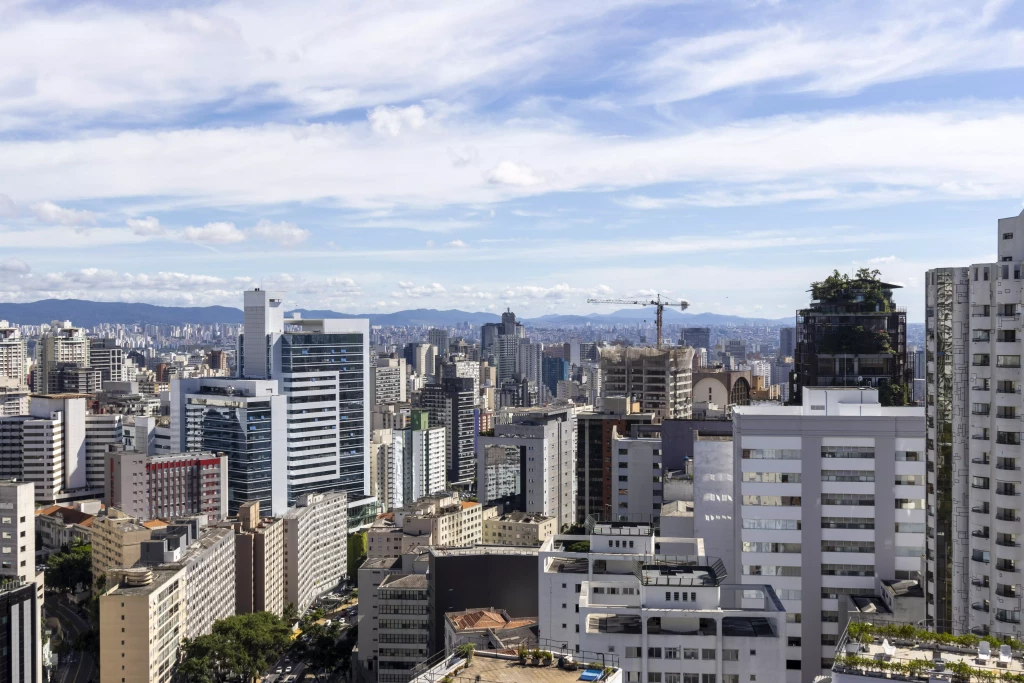
According to research from the Banco Mundial, environmental and urban living conditions are directly linked to overall well-being and productivity in urban populations. These conditions shape how effectively expatriates adapt to their new environment and maintain performance over time.
Cost Efficiency Without Compromising Standards
Quality of life in Latin America is often associated with a more favorable cost structure than in North America or Europe. While this varies by city, many locations offer access to high-quality housing, domestic support services, and private healthcare at comparatively lower costs.
This allows companies to design international assignments in LATAM that maintain employee satisfaction while optimizing relocation budgets. Access to private schools, modern residential compounds, and premium services supports a comfortable standard of living for expatriate families.
The Organization for Economic Co-operation and Development highlights that the cost of living and access to services are key factors influencing relocation decisions and long-term integration outcomes.
Strong Social and Cultural Integration
Another defining aspect of quality of life in Latin America is how social dynamics influence integration. In many LATAM markets, professional and personal interactions tend to overlap more frequently, which can accelerate relationship-building but may also require adjustments for expatriates accustomed to more transactional environments.

Early exposure to local networks, whether through workplace interactions or community settings, plays a critical role in reducing isolation during the initial stages of relocation. However, without proper context, differences in communication styles or expectations around relationship-building can create friction.
Research from the International Organization for Migration’s World Migration Report 2024 highlights that successful social integration is a key contributor to overall well-being and positive outcomes for people moving across borders. For HR teams, facilitating this process early can significantly influence assignment stability.
Access to Urban Infrastructure and Services
Major cities across Latin America offer infrastructure that supports high living standards, including international schools, private healthcare, and established business districts. However, the availability and consistency of these services vary significantly by location.
For HR teams, this variability has direct operational implications. Selecting a location without adequate infrastructure can lead to delays in settling, challenges in accessing essential services, and increased friction during the first months of the assignment.
Cities such as São Paulo, Mexico City, Santiago, and Bogotá provide stronger ecosystems for international professionals, allowing for smoother transitions and more predictable outcomes in terms of quality of life in Latin America. Aligning location strategy with infrastructure availability is therefore critical to maintaining assignment stability and avoiding avoidable disruptions.
Work Life Balance and Employee Retention
Quality of life in Latin America can contribute to improved work-life balance, but this outcome is not automatic. It depends on how effectively expatriates adapt to local norms, routines, and expectations.
While many environments offer greater access to social interaction and more flexible daily rhythms, misalignment in work culture or unclear expectations often creates the opposite effect during the early stages of the assignment, increasing stress rather than reducing it.
Over time, however, employees who adapt successfully typically achieve more stable routines, higher engagement, and stronger integration into their local environment.
For organizations managing international assignments in LATAM, this has direct implications for retention. Employees who reach this level of stability are more likely to remain engaged and complete their assignments, reinforcing the link between lifestyle adaptation and long-term performance.
How LARM Supports High-Quality Relocation Experiences
Translating quality of life in Latin America into relocation outcomes requires local execution, not just general guidance.
LARM operates with on-the-ground teams across key LATAM markets, coordinating housing selection, school placement, orientation servicesy cross-cultural guidance based on real availability, timelines, and local constraints. During the first few weeks, teams manage critical steps such as property viewings, school shortlists, and orientation sessions, aligned with the assignee’s start date and location requirements, reducing delays and misalignment from the outset.
As the assignment progresses, LARM provides direct, real-time input on situations that typically generate friction, including service access, timeline variability, and local decision-making dynamics. This allows HR teams to maintain visibility, stabilize early performance, and reduce the risk of disruption during the most sensitive phase of the assignment.
Contact us to learn how LARM can support your global mobility strategy in Latin America.
Fuentes:
- International Organization for Migration. World Migration Report 2024. International Organization for Migration, 2024, https://worldmigrationreport.iom.int/msite/wmr-2024-interactive/.
- Organisation for Economic Co-operation and Development. “International Migration Trends.” OECD, https://www.oecd.org/en/topics/sub-issues/international-migration-trends.html.
- Banco Mundial. “Urban Development.” Banco Mundial, https://www.worldbank.org/ext/en/topic/urban-development.