 ES
ES  EN
EN  PT
PT Cultural adaptation starts in the classroom. Relocating with children involves more than selecting the right school. For many expat families moving to Latin America, the biggest adjustment begins after enrollment, when daily school culture starts shaping routines, expectations, and communication. Understanding these differences early can reduce uncertainty, ease stress during the first months, and support a smoother transition for children and parents alike.
School culture differences in Latin America often reflect broader social values around relationships, authority, and community. While academic standards may feel familiar, the way schools engage with families, manage discipline, and communicate progress can feel more personal and less standardized than what expatriates experienced in their home countries.
Parent involvement expectations
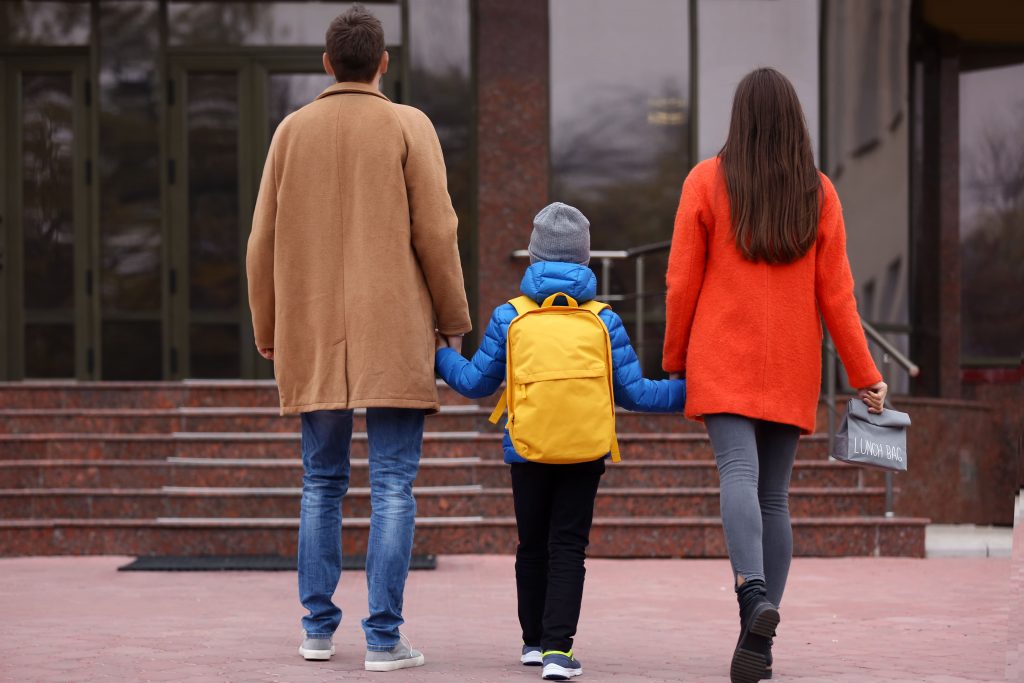
In many Latin American schools, parental involvement is present, but it is expressed differently. Families are expected to be engaged, yet interactions are often more personal and relationship-driven than procedural.
Parents may notice closer connections between teachers and families, informal conversations during school hours, and a greater emphasis on trust rather than documentation.
While some schools provide structured platforms for updates, others rely on direct communication through meetings or messaging systems. This can feel unfamiliar to expatriates accustomed to formal portals, scheduled conferences, or standardized reporting cycles.
For expat families, cultural adaptation often means learning how communication works in practice and adjusting expectations without losing clarity. The adjustment lies in understanding when to be proactive and how to interpret what schools expect from families. Being present, responsive, and open to dialogue is often valued more than frequent formal check-ins. Clarifying communication norms early helps avoid misunderstandings, strengthens relationships with educators, and builds confidence on both sides.
Homework and discipline styles
Homework expectations and discipline approaches can also differ across Latin American education systems, becoming an important part of school cultural adaptation for expat families. In some schools, homework loads may be lighter, with greater emphasis placed on participation, collaboration, and in-class learning. In other cases, assignments are consistent but evaluated with flexibility rather than under strict grading pressure.
Discipline styles tend to focus more on guidance and dialogue than rigid enforcement. Teachers often prioritize behavioral development, social interaction, and emotional awareness, particularly in younger grades. This approach can surprise expat parents who are used to highly structured disciplinary systems or formal escalation processes.
Understanding that these methods are intentional rather than permissive helps families recalibrate expectations. Over time, many expatriate families find that this balance supports confidence and independence, especially during the adjustment period.
Communication with schools
Communication is one of the most significant cultural adjustments for expat families. In Latin America, communication between schools and parents is often more direct and less standardized. Important updates may be shared verbally, through messaging apps, or during informal meetings rather than through official notices. This requires families to stay engaged and attentive to multiple channels.

Asking how information is typically shared and who to contact for specific concerns helps reduce uncertainty. Establishing a clear point of contact early allows families to navigate academic or emotional concerns more effectively. For expatriates, cultural adaptation includes learning this communication style and responding to it with confidence, staying informed and involved without unnecessary stress.
Supporting your child’s cultural adaptation
Every child responds differently to changes in school culture. Some adapt quickly, while others need time to feel comfortable with new expectations. Consistency at home, open conversations, and patience play an important role in helping children process these differences. Understanding differences in school culture in Latin America helps parents frame changes positively and guide children with realistic expectations. When families feel informed, children often feel more secure and supported.
Practical tips for a smoother transition
To support your child during the first school term, consider these steps:
- Ask how communication typically works and which channels are most reliable.
- Clarify expectations around parent involvement, homework routines, and discipline approaches.
- Confirm who the main point of contact is for questions or concerns.
- Encourage your child to share what feels unfamiliar so you can support them early.
- Maintain steady routines at home to provide stability during the transition.
Practical ways to adapt faster
Every school system has its own rhythm. These steps can support school cultural adaptation and help families settle in faster:
Clarify expectations early
Ask how communication works and confirm expectations for homework, discipline, and parent involvement.
Observe before assuming
Take the first two weeks to understand the school’s routine before jumping to conclusions.
Support your child proactively
Encourage your child to share what feels different so you can support them early.
Maintain consistency at home
Keep your child’s home routines steady to help them feel secure during the transition.
How LARM supports families during school transition and cultural adaptation
At LARM, we support expat families beyond relocation logistics. Our school orientation services help parents navigate cultural adaptation by understanding local education culture, establishing clear communication with schools, and managing the transition period with more clarity and confidence. Because when families understand the culture behind the classroom, school becomes a source of stability, not stress, during relocation.
To learn more or get support for your family’s relocation, contact us at info@larmgroup.com.
Fuentes:
- Organization for Economic Co-operation and Development. Parental Involvement in School Activities. PISA 2018 Results (Volume III), OECD Publishing, 2019, www.oecd.org/en/publications/pisa-2018-results-volume-iii_acd78851-en/full-report/component-16.html.
- Mera-Lemp, María José, et al. Bridging Cultures: The Role of School’s Cultural Diversity Climate and Cultural Sensitivity in Immigrant Parents’ School Involvement. Frontiers in Psychology, vol. 16, 27 Mar. 2025, www.frontiersin.org/articles/10.3389/fpsyg.2025.1561863/full